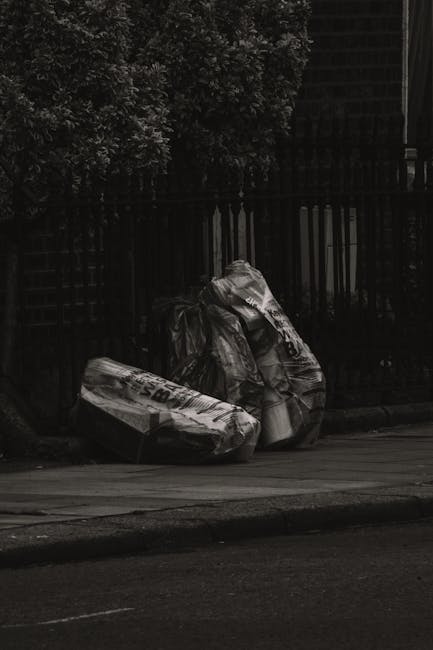
Cricklewood Broadway rubbish removal guide for NW2 shops
Running a shop on Cricklewood Broadway means juggling deliveries, customers, stock rotation, packaging, and the daily clutter that comes with trading in a busy high-street environment. Waste builds up fast. Cardboard piles in the back room, broken display units take over precious storage space, and end-of-line stock can make even a tidy shop feel cramped. This Cricklewood Broadway rubbish removal guide for NW2 shops is designed to help local businesses handle commercial waste in a way that is practical, lawful, and efficient.
If you manage a retail unit, convenience store, takeaway, salon, charity shop, or small showroom in NW2, the right rubbish removal approach saves time and reduces disruption. It can also improve presentation, keep staff safer, and make collections easier to plan around trading hours. In this guide, you will find a straightforward breakdown of how shop rubbish removal works, what to look out for, how to compare options, and which best practices are worth following. For related services, you may also want to review business waste removal in Cricklewood and general waste removal options if your shop needs broader clearance support.
Table of Contents
- Why rubbish removal matters for NW2 shops
- How shop rubbish removal works
- Key benefits and practical advantages
- Who this is for and when it makes sense
- Step-by-step guidance
- Expert tips for better results
- Common mistakes to avoid
- Tools, resources and recommendations
- Law, compliance and best practice
- Options and comparison table
- Case study or real-world example
- Practical checklist
- Conclusion
- Frequently asked questions
Why Cricklewood Broadway rubbish removal guide for NW2 shops Matters
Cricklewood Broadway is a practical, high-traffic trading strip. That is good for footfall, but it also means shop waste needs handling carefully. A small backlog at the rear of a store can quickly become a bigger issue: blocked access, poor stock rotation, damaged packaging, odours, pest risk, or simply a workspace that feels chaotic. In retail, presentation matters, and rubbish rarely helps the look.
For NW2 shops, rubbish removal is not just about getting rid of junk. It is about keeping operations smooth. A clear stockroom helps staff find what they need. A tidy frontage helps the business feel welcoming. Regular collections also reduce the chance of waste building up to the point where it interferes with deliveries or loading. That matters on a road where space can be tight and timing matters.
There is another reason this topic deserves attention: different waste types require different handling. Cardboard, mixed packaging, old shelving, broken furniture, and electrical items should not all be treated the same way. If you want a more detailed look at the specialist side of commercial disposal, the office clearance service and furniture disposal support pages are useful references for shopfit, storage, and display items.
Practical takeaway: the best rubbish removal plan for a shop is the one that keeps trade moving, protects staff time, and fits the actual waste your business produces.
How Cricklewood Broadway rubbish removal guide for NW2 shops Works
Shop rubbish removal normally starts with a simple assessment. What needs taking away? How much space is involved? Is it just bagged waste and cardboard, or is there bulky stock, display furniture, or mixed commercial clutter? Once the type and volume are clear, the next step is choosing the right collection method.
In practice, there are usually three broad approaches:
- Scheduled commercial waste collection: suitable for recurring rubbish such as packaging, general refuse, and day-to-day shop waste.
- One-off clearance: useful when a shop is refitting, closing, reorganising, or clearing old fixtures and stock.
- Specialist disposal: needed for bulky items, unwanted furniture, or certain materials that should be separated and handled correctly.
For many NW2 retailers, the ideal setup is a combination of regular waste collections and occasional clearance support. That way, daily rubbish stays under control and larger items do not sit in storage "for now" until they become permanent residents. You know the sort.
Timing also matters. Shops on or near Cricklewood Broadway often benefit from early-morning or off-peak collections to avoid interrupting customers. If your business handles refurbishments, fit-outs, or maintenance work, the builders waste clearance service can be especially relevant for mixed debris, packaging, and renovation leftovers.
A good provider should explain what can be taken, how the waste will be loaded, whether recycling is separated, and what access they need from your premises. That level of clarity saves awkward surprises on the day.
Key Benefits and Practical Advantages
There are plenty of reasons NW2 shop owners and managers choose professional rubbish removal rather than trying to manage everything in-house. Some are obvious. Others only become obvious after a few months of operations.
1. More usable space
Small retail units rarely have generous storage. Remove obsolete stock, packaging, and broken fixtures, and the whole premises feels easier to manage. That extra space can be used for inventory, stock prep, or simply safer movement behind the counter.
2. Better customer impression
Customers do notice if the back area is overflowing, but they also notice if the shop feels organised and cared for. A business that manages waste properly tends to look more professional overall.
3. Lower risk of accidents and blockages
Loose packaging, awkward furniture, and cluttered back corridors can create trip hazards or obstruct fire exits. Good clearance habits support safer working conditions, especially during busy trading periods.
4. Easier compliance management
Commercial waste has to be handled with care. A reliable waste removal routine helps you stay on the right side of documentation, disposal expectations, and environmental good practice. It is not glamorous, but it is sensible.
5. Better recycling outcomes
Many shops generate large amounts of recyclable material, particularly cardboard, paper, and some hard plastics. Separating these properly can reduce the amount of waste going to mixed disposal routes. If sustainability is part of your business identity, explore recycling and sustainability practices to support a cleaner disposal strategy.
Who This Is For and When It Makes Sense
This guide is for any NW2 business that produces regular or occasional shop waste and wants a clearer system. It is especially useful if you run a business where space is limited and foot traffic is constant.
Typical users include:
- independent retailers and convenience shops
- cafes, takeaways, and small food outlets
- hair and beauty businesses
- charity shops and resale stores
- market-style or pop-up retail units
- showrooms and small trade counters
- property managers handling commercial voids
It also makes sense when you are in one of the following situations:
- you are clearing stock before a refit
- you have old shelving or displays to remove
- you need recurring collections for packaging and general waste
- you have inherited clutter from a previous tenant
- you are preparing for an inspection, change of use, or handover
Sometimes the trigger is simple: the stockroom has reached the point where nobody can find anything without moving six boxes first. That is usually the sign to act.
Step-by-Step Guidance
If you want to keep rubbish removal efficient and predictable, follow a structured process rather than waiting until the pile becomes impossible to ignore.
- Identify the waste types. Separate general waste, cardboard, broken fixtures, old stock, and any electrical or specialist items. The clearer your list, the easier it is to choose the right service.
- Estimate the volume. Think in practical terms: a few sacks, several bulky items, half a stockroom, or a full clearance. This helps with pricing and vehicle planning.
- Check access. Note loading doors, stairways, narrow corridors, parking constraints, and any time restrictions on your street. Cricklewood Broadway can be busy, so access details matter more than people expect.
- Choose a collection window. Early mornings, quieter periods, or after closing time often work best for shops.
- Ask how items will be handled. Good providers should explain sorting, lifting, transport, recycling, and disposal routes in plain English.
- Prepare the site. Move fragile stock, secure cash points, and mark anything that must stay. A bit of prep avoids confusion on collection day.
- Keep records. For commercial waste, it is sensible to retain invoices and any documents your provider gives you. A tidy paper trail is part of sensible business housekeeping.
If your shop also has old furniture, display counters, or storage items to get rid of, the furniture clearance service can be a practical fit. For mixed household-style contents from a premises conversion or mixed-use unit, flat clearance may also be relevant if the item profile is closer to domestic contents than standard retail waste.
Expert Tips for Better Results
In our experience, the easiest waste removals are the ones where the shop has already done a little thinking beforehand. A few small habits make a surprisingly large difference.
Keep a dedicated waste zone
Even a modest corner behind the counter or in the stockroom can become a sorting point for cardboard, wrappers, and bulky items. When everything goes into one vague heap, removal becomes slower and messier.
Schedule clear-outs before peak trading
If a clearance is coming up, do it before the busy season rather than during it. That may sound obvious, but it is often overlooked. A pre-Christmas or pre-sale purge can make the sales floor far easier to manage.
Separate recyclable materials early
Cardboard, clean paper, and some packaging materials are usually best kept separate from general rubbish. That saves sorting time later and supports more responsible disposal. It also keeps the back area from smelling like a chaotic science experiment.
Photograph bulky items before collection
If you need a quote, quick photos help. They can show the provider what needs removing, whether access is tight, and whether an extra team member or vehicle type may be required.
Be honest about awkward items
Old safes, heavy shelving, fixed counters, and damaged furniture can require extra handling. Saying so upfront helps avoid delays and pricing confusion.
Common Mistakes to Avoid
Most rubbish removal problems are preventable. The same handful of mistakes tends to appear again and again in retail settings.
- Leaving waste until it becomes unmanageable. What starts as "just a few boxes" can turn into a blocked stockroom very quickly.
- Mixing all waste together. This slows down sorting and can increase disposal costs.
- Ignoring access issues. A van may be ready, but if the shop front is not accessible or parking is impossible, the job becomes harder than it needs to be.
- Underestimating bulky items. One old counter can take far more effort than three sacks of general waste.
- Choosing purely on price. Cheapest is not always best. A low quote with poor communication or unclear handling can cost more later in time and disruption.
- Forgetting about documentation. Commercial waste should be handled properly, and records matter.
A common local issue is assuming all "rubbish removal" services are identical. They are not. The right provider should be able to distinguish between regular business waste, special items, and clearance work. That is why it helps to review service pages such as commercial waste collection support and pricing and quotes information before booking.
Tools, Resources and Recommendations
You do not need much to manage shop waste well, but a few practical tools help the process run smoothly.
Useful tools
- stackable bins or labelled containers for sorting
- cardboard boxes or cages for clean packaging
- heavy-duty sacks for mixed light waste
- marker pens and labels for separating items
- a phone camera for documenting bulky waste
- a measuring tape if access is tight or items are unusually large
Useful resources
- your local business waste policy and internal procedures
- provider pages explaining disposal methods
- terms and conditions for booking clarity
- insurance and safety information for peace of mind
- recycling guidance for sorting materials
If you want to understand how a provider approaches safety, it is worth reading their health and safety policy and insurance and safety information. These pages are not exciting, granted, but they are useful indicators of how professionally the work is handled. For general company background, about the team can also help you judge whether the service feels like a fit.
Law, Compliance, Standards, or Best Practice
Commercial waste disposal in the UK should be handled carefully and in line with accepted business practice. While this article is not legal advice, there are a few sensible expectations that shop owners in NW2 should keep in mind.
First, the business generating the waste remains responsible for it until it is handed over to an appropriate carrier. That means you should use a provider that can explain how waste is managed and where it goes. Second, keep records of collections and any paperwork you receive. Third, do not mix hazardous or specialist items into ordinary waste unless your provider has clearly confirmed that they can take them.
Best practice usually includes:
- sorting recyclable and non-recyclable items where practical
- using a reputable provider with transparent processes
- avoiding fly-tipping or informal disposal arrangements
- keeping access routes safe and free from obstruction
- checking any site-specific building or landlord rules before collection
For businesses that want a more transparent process, review terms and conditions alongside payment and security details. That may sound administrative, but it helps prevent misunderstandings and keeps expectations clear. If your operation has a strong ethical or sustainability focus, the modern slavery statement and sustainability information can also provide additional reassurance about standards and values.
Options, Methods, or Comparison Table
Different waste situations call for different methods. The table below gives a practical comparison for NW2 shops.
| Method | Best for | Advantages | Watch-outs |
|---|---|---|---|
| Regular commercial waste collection | Routine refuse, packaging, day-to-day rubbish | Predictable, tidy, easy to plan around trading hours | May not suit bulky or mixed clearance jobs |
| One-off rubbish removal | Post-refit waste, stockroom clear-outs, seasonal resets | Fast, flexible, good for occasional surges | Needs clear item lists and access planning |
| Furniture and fixture removal | Counters, shelving, display units, damaged furniture | Ideal for bulky items that do not fit normal bins | May require extra labour or specialist handling |
| Full business clearance | Closures, handovers, major reorganisations | Reduces time spent coordinating several separate jobs | Requires more detailed planning and sorting |
As a rule of thumb, the more bulky, mixed, or time-sensitive the waste, the more valuable a flexible clearance service becomes. For larger furniture-heavy jobs, the linked furniture clearance option is often a better fit than relying on standard bins or ad hoc disposal.
Case Study or Real-World Example
Imagine a small retail shop on or near Cricklewood Broadway preparing for a seasonal refresh. The owner has old display stands, damaged shelving, flat-pack packaging, and a stockroom full of items that will not be returning to the floor. Staff have been trying to work around the clutter for weeks.
The first step is to separate the items: packaging into one area, reusable stock into another, and bulky fixtures into a third. A quick photo set is taken to help estimate volume. The shop arranges an early collection before opening hours so the frontage stays clear for customers.
On the day, the removal team loads the display units, cardboard, and mixed waste in one visit. The stockroom becomes usable again almost immediately, and the owner can complete the refit without tripping over yesterday's shelving. It is a simple example, but it captures the point: the right waste removal plan restores space and momentum fast.
For similar situations involving office-style furniture or mixed commercial contents, the office clearance service and home clearance support can be useful reference points when deciding how broad the job really is.
Practical Checklist
Use this checklist before booking a collection for your NW2 shop:
- Have you identified every waste type clearly?
- Have you separated recyclable items where possible?
- Do you know whether the job is routine, one-off, or a full clearance?
- Have you checked access, parking, and timing restrictions?
- Are any items especially heavy, fragile, or awkward?
- Do you need the job done before opening, after closing, or during a quiet window?
- Have you reviewed the provider's safety and insurance information?
- Do you understand the pricing structure and what is included?
- Have you saved any documents or invoices for your records?
- Is there anything that must remain in place and be left untouched?
Quick sanity check: if the answer to several of those questions is "not yet," pause and sort those details first. A bit of preparation saves time, money, and a fair amount of stress.
Conclusion
Shop waste management on Cricklewood Broadway is easiest when it is treated as part of normal operations, not an afterthought. The most effective approach is usually a clear combination of routine rubbish handling, occasional bulk removal, and sensible planning around trading hours. That keeps your NW2 shop cleaner, safer, and easier to manage.
If you are dealing with stockroom clutter, broken furniture, packaging build-up, or a full commercial clear-out, the best next step is to match the service to the actual waste problem. That is how you avoid overpaying, avoid delays, and avoid filling up your precious retail space with things you no longer need.
Get a free quote today and see how much you can save.
To explore a suitable service route, you can also review contact options for a direct enquiry or revisit the main waste removal service for broader clearance needs.
Frequently Asked Questions
What types of waste do NW2 shops usually need removed?
Most shops produce cardboard, packaging, general refuse, damaged display items, old stock, and occasional bulky furniture. Some businesses also need help with refurbishment debris or electrical items.
Is rubbish removal the same as regular commercial waste collection?
Not always. Regular collection is best for ongoing day-to-day waste, while rubbish removal or clearance is more suitable for bulky, mixed, or one-off jobs. Many shops use both.
Can I book rubbish removal outside normal trading hours?
Often yes, depending on the provider and access at the premises. Early morning or after-closing collections are commonly preferred by shops because they reduce disruption.
How do I know if I need a full shop clearance?
If you are clearing stock, fixtures, furniture, and mixed rubbish at the same time, a full clearance may be the better option. It is usually more efficient than splitting the job into several separate collections.
What should I do before the collection team arrives?
Separate the waste where possible, clear access routes, identify fragile items, and make sure staff know what is being removed. Good preparation makes the job quicker and smoother.
Can old shop furniture be taken away?
Yes, in many cases. Counters, shelving, cabinets, and display units can often be removed as part of a furniture or business clearance service, depending on size and condition.
Do I need to keep records for shop waste disposal?
Yes, keeping invoices and collection records is sensible for commercial waste. It helps with internal administration and shows that the waste was handled through an appropriate route.
What if my shop has limited access or no parking?
That is common in busy high-street locations. Tell the provider in advance so they can plan timing, vehicle access, and loading carefully.
Is recycling included in business rubbish removal?
It depends on the provider and the mix of waste. Many services sort recyclable materials such as cardboard and some packaging separately, but you should confirm how this is handled.
How do I compare two rubbish removal quotes?
Look beyond the headline price. Check what is included, what waste is accepted, how access issues are handled, whether recycling is separated, and whether the provider gives clear paperwork.
What is the best option for a shop refit or seasonal reset?
A one-off clearance is often the most practical choice because it can cover packaging, old stock, and bulky items in a single visit. It keeps the project moving and reduces back-and-forth.
Where can I find more information about responsible disposal and business standards?
Helpful pages to review include service information, pricing, safety, sustainability, and company background. These details give a clearer picture of how a provider works and what level of service to expect.