Kilburn Lane rubbish collection for narrow access Cricklewood
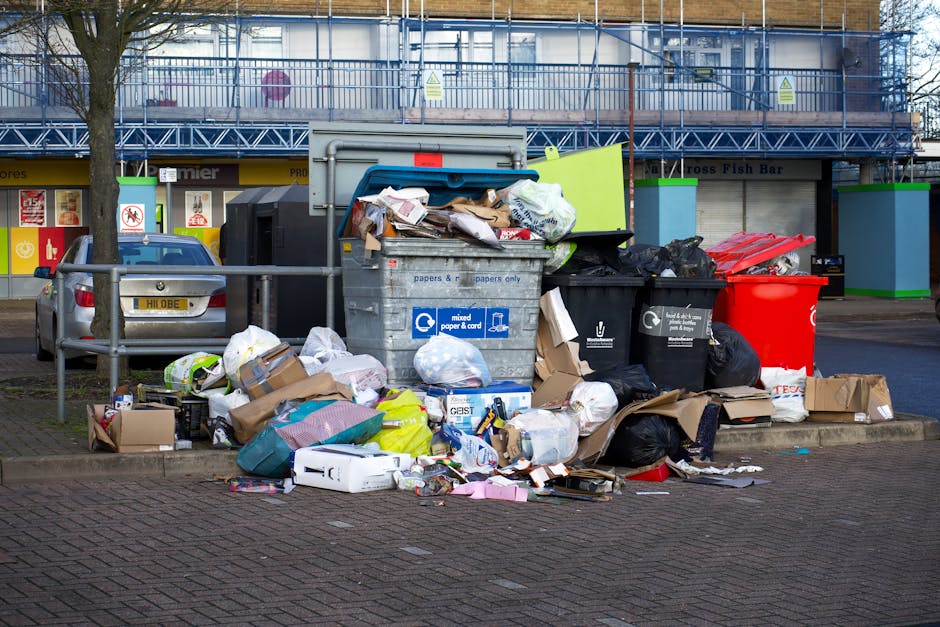
If you are trying to arrange Kilburn Lane rubbish collection for narrow access Cricklewood, you already know the awkward bit is rarely the rubbish itself. It is the doorway that turns sideways, the shared alley that narrows halfway down, the basement step that scrapes a sack, or the parking space that disappears just when the team arrives. Truth be told, that is where a straightforward collection becomes a small puzzle.
This guide breaks down how narrow-access rubbish collection works, what makes it different from a standard pick-up, and how to make the whole thing smoother from the first phone call to the final sweep-up. Whether you are clearing a flat, a terrace, a house, or a small business space near Kilburn Lane and Cricklewood, the aim is simple: less stress, fewer surprises, and a cleaner result without the usual faff.
We will cover access planning, practical loading methods, what to check before booking, compliance and safety basics, and the sorts of mistakes that can turn an easy clearance into a headache. If you want a broader look at local services too, you may find the waste removal and pricing and quotes pages helpful as background reading.
- Why narrow access collection matters
- How the collection process works
- Key benefits and practical advantages
- Who needs this service and when it makes sense
- Step-by-step guidance
- Expert tips for better results
- Common mistakes to avoid
- Tools, resources and recommendations
- Law, compliance, standards and best practice
- Options and comparison
- Case study or real-world example
- Practical checklist
- Conclusion
- Frequently asked questions
Why Kilburn Lane rubbish collection for narrow access Cricklewood Matters
Narrow access changes almost everything about rubbish collection. On a wide road, a crew can park close, unload quickly, and move items in a straight line. In a tight Cricklewood street, that same job may involve carrying waste around parked cars, working through a side passage, protecting walls and floors, and timing the visit so neighbours are not inconvenienced. That is not a small detail. It affects labour, safety, time, and the overall cost of getting rid of waste.
For local homes and businesses, the need is usually practical rather than dramatic. Maybe you are clearing old furniture from a first-floor flat. Maybe a kitchen refit left you with broken tiles, packaging, and timber in a rear alley. Or maybe you simply have a bulky item that will not fit through a standard doorway without a bit of planning. In all of those cases, the collection method matters just as much as the waste type.
There is also a human side to this. Narrow access jobs can feel messy before they even begin. You are watching the clock, checking if the van can stop anywhere legal, and wondering whether the sofa will make it through the hall without a scuff. A good service should reduce that pressure, not add to it.
Expert summary: Narrow-access rubbish collection is less about brute force and more about preparation, communication, and the right team setup. When those three are in place, even a tricky property can be cleared in a calm, orderly way.
How Kilburn Lane rubbish collection for narrow access Cricklewood Works
The process usually starts with a few simple questions. What needs removing? How much is there? Where is it located? And how easy is it to reach from the street? That access question is the important one here, because it shapes the crew size, the equipment required, and whether the collection can be done in one visit.
For narrow access, the team may need to plan around stairwells, long pathways, gated entries, basement steps, or tight front gardens. Sometimes a property looks straightforward until you actually carry a wardrobe halfway to the van and realise the alley bends at a nasty angle. That is why good photos and clear descriptions help so much. A few images of the waste, the route, and the parking situation can save everyone time.
In practice, the collection usually follows a pattern:
- Initial assessment of waste type, volume, and access.
- Parking and route planning for the nearest safe loading point.
- Manual moving of items through the narrow route, with care around walls and floors.
- Sorting of reusable, recyclable, and general waste where possible.
- Loading, final check, and tidying the area afterwards.
Some collections are quick. Others need a little patience. A basement clearance after a damp winter, for instance, often includes more awkward lifting than a normal front-room job. A flat clearance in a shared building may also mean respecting access windows and neighbours, which is just common sense really, but it matters.
If you are comparing collection types, the blog post on skip hire versus man-and-van services in Cricklewood gives a useful picture of why manual collection often works better where access is tight.
Key Benefits and Practical Advantages
The obvious benefit is convenience. If you have narrow access, trying to move bulky items yourself can be frustrating, slow, and honestly a bit risky. Professional rubbish collection brings the muscle, the timing, and the route planning so you do not have to improvise with a mattress, a trolley, and crossed fingers.
Another strong benefit is reduced property damage. Tight hallways and awkward door frames are not forgiving. Experienced crews know how to turn, lift, angle, and protect surfaces properly. They also know when not to force something. That sounds simple, but it saves a lot of grief.
There is also a practical environmental benefit. A well-run clearance service can separate suitable materials for recycling or recovery rather than treating everything as mixed waste. That is especially useful for cardboard, metal frames, timber, and some household items. For people trying to clear responsibly, the recycling and sustainability page gives a broader sense of how that side is handled.
Here is a quick summary of the real-world advantages:
- Less lifting and fewer trips up and down stairs
- Better handling of bulky items in tight areas
- Lower risk of scuffs, dents, and broken plasterwork
- More predictable timing for neighbours and building access
- Improved sorting for reusable and recyclable materials
And yes, it can save money compared with a badly planned do-it-yourself approach. Not because the service is magically cheap, but because fewer mistakes means fewer extra journeys, fewer delays, and less waste of your own time. That part gets overlooked all the time.
Who This Is For and When It Makes Sense
This kind of service is not just for one type of property. In Cricklewood, narrow-access collection can suit a surprising mix of people and situations.
You may need it if you live in a flat with a tight staircase, a basement conversion with a long shared corridor, a terraced home with side access only, or a property where the van cannot park directly outside. Small offices and shops can also benefit, especially where stockrooms, back entrances, or loading points are cramped.
It makes sense when:
- Items are too bulky for normal council-day placement
- The path from the property to the vehicle is awkward or narrow
- You need the waste gone quickly after a move, refurbishment, or tenancy change
- You want a single clearance rather than multiple trips
- You need help with heavy lifting or stair carrying
In our experience, people often book after trying to solve the problem themselves first. That is completely normal. A broken wardrobe in a hallway can look manageable until you realise it will not make the corner without a second pair of hands. At that point, the service is not a luxury. It is simply the sensible option.
If your job is part of a wider property clear-out, the pages for house clearance, flat clearance, and home clearance may help you judge which type of clearance fits best.
Step-by-Step Guidance
If you want the smoothest possible Kilburn Lane rubbish collection for narrow access Cricklewood, the best results usually come from clear preparation. A little effort before the appointment can make the actual collection much faster. Here is a practical sequence that works well.
1. Identify exactly what needs removing
Walk the space and list the items. Separate bulky furniture, bags of general rubbish, renovation debris, and anything reusable. If there are sharp items, liquids, or mixed materials, note those too. It is much easier to plan when the waste is described accurately.
2. Measure the route, not just the item
People often check the item dimensions and stop there. The real issue is the route: doorway width, stair turns, ceiling height, corridor bends, and any radiators, rails, or awkward protrusions. One narrow bend can matter more than the actual size of the sofa. Strange, but true.
3. Take a few useful photos
Photograph the waste, the exit path, and the street access point if possible. Good images show the team what they are dealing with before they arrive. That reduces guesswork and helps avoid last-minute changes.
4. Think about parking and timing
Is there a place for the vehicle to stop safely and legally nearby? Are there school-run hours, traffic pinch points, or building rules that affect access? Even a small delay can change the flow of a narrow-access job, so timing matters more than people realise.
5. Clear the route in advance
Move smaller objects, open gates, unlock doors, and make sure the route is as clear as possible. If there are fragile ornaments on shelves or loose mats in the way, remove them. Little things help a lot.
6. Confirm what should stay
This sounds obvious, but it matters. In a busy flat or office, the wrong bag can easily end up in the clear-out zone. Mark anything that must not be taken, and keep it separate.
7. Be available for quick questions
Sometimes the crew arrives and finds one item that was not visible in the photos, or a door width that is tighter than expected. A quick answer on the spot can keep the whole job moving. Not dramatic, just efficient.
Expert Tips for Better Results
A few small choices can make narrow-access collection feel much easier. These are the kind of things experienced teams notice straight away.
- Bundle similar items together. Bags in one area, timber in another, furniture in one place. It speeds up loading.
- Protect the route. Cardboard, blankets, or floor coverings can help if you are especially worried about scuffs.
- Label anything awkward. "Heavy," "fragile," or "do not move without help" is helpful information, not overkill.
- Leave a bit of breathing room. If possible, create space at the turning points so items can be angled properly.
- Tell the truth about access. If the alley is tight, say so. Better to be slightly pessimistic than to surprise the team on arrival.
One useful habit is to imagine the route with your hands full. Could you carry a washing machine through that gap without scraping the wall? Could two people pass safely? Would a full trolley actually turn the corner? That simple mental check is often enough to spot trouble early.
And here is a little thing that sounds basic but saves hassle: keep the access point dry if you can. A wet step or a muddy path in the morning can turn a quick lift into a slower, more careful process. No one wants a slippery shuffle with a broken cabinet in tow.
Where there are especially awkward items, services such as furniture clearance and furniture disposal can be a better fit than trying to treat everything as generic rubbish.
Common Mistakes to Avoid
Narrow access jobs are usually fine when the planning is decent. Problems tend to come from assumptions. The most common one? "It should be okay." Sometimes it is. Sometimes it really, really is not.
Here are the mistakes that cause the most friction:
- Underestimating the access route. The item fits through the door, but not around the stair bend.
- Forgetting about parking restrictions. A van that cannot stop nearby adds time and complexity.
- Mixing restricted waste with general rubbish. Some materials need special handling and should be discussed first.
- Leaving items spread across multiple rooms. That slows the whole job down.
- Not warning about upper-floor or basement access. This is exactly the sort of detail that changes the plan.
- Choosing the cheapest option without checking access experience. Cheap can become expensive if the crew is not prepared.
A small aside: if you have ever tried to pivot a wardrobe in a hallway while someone says "I think it'll go if we just angle it a bit," you will know why this section exists. Sometimes the answer is yes. Sometimes it is a polite no and a cup of tea afterward.
Tools, Resources and Recommendations
You do not need specialist equipment to prepare well, but a few simple tools make a big difference. Strong bin bags, tape, a torch for dim stairwells, and a measuring tape are the obvious basics. A phone camera is just as useful. In fact, photos are often the most valuable planning tool because they show what words may miss.
For the service side, look for clear communication, insurance awareness, and a willingness to discuss access properly before the job day. If a company asks a few extra questions, that is usually a good sign, not an annoying one. It means they are thinking ahead.
Useful internal pages for further context include:
- about us for service background and approach
- insurance and safety for reassurance around handling and site care
- health and safety policy for site and staff expectations
- same-day rubbish collection advice if timing is tight
- contact us if you need to describe a difficult access point directly
For larger or mixed clearances, you may also want to compare service pages such as builders waste clearance, garden clearance, garage clearance, or loft clearance. The right option depends on what is being removed and where it sits in the property.
Law, Compliance, Standards, or Best Practice
Waste collection in the UK sits within a framework of care, traceability, and lawful disposal. You do not need to know every detail to book a collection, but you should expect the service provider to handle waste responsibly and in line with relevant obligations. That includes moving waste safely, carrying it legally, and making sure it ends up at an appropriate facility rather than somewhere it should not.
For a customer, the best practice is straightforward. Ask questions if anything is unclear. Check that the service sounds properly organised. Keep records if you are clearing business waste or anything with special handling needs. And if you are ever unsure whether something is suitable for standard collection, say so early. It is much easier to sort out a query before the van arrives than after everyone is standing in a tight hallway pretending not to panic.
Health and safety also matters more than many people realise in narrow access settings. Lifting through tight angles, moving items down stairs, and working close to walls all require care. A sensible service should be comfortable explaining how it manages these risks. That is one reason documents like the complaints procedure, terms and conditions, and related policy pages can be useful reading before you book.
For business users, the topic becomes even more practical. If you are clearing an office, shop, or storage area with restricted access, then waste handling should be planned around safety, discretion, and continuity of work. The business waste removal and office clearance pages are the natural starting points.
Options, Methods, or Comparison Table
Not every narrow-access job should be handled the same way. The best method depends on the type of waste, the building layout, and how quickly you need the area cleared. Here is a simple comparison to help you think it through.
| Method | Best for | Strengths | Limitations |
|---|---|---|---|
| Manual rubbish collection | Tight entrances, stairs, rear access, mixed household waste | Flexible, direct, often best for awkward routes | Relies on good planning and physical carrying |
| Skip hire | Large volumes where there is room to place a skip | Good for ongoing projects and repeated loading | Not ideal where parking or frontage is limited |
| Self-load and bagged removal | Light jobs with easy access and a small amount of waste | Flexible if you have time and manpower | Can become awkward fast with bulky or heavy items |
| Specialist clearance service | Furniture, lofts, hoarded spaces, or sensitive access points | Better for tricky layouts and more complex clearances | May need more detailed pre-booking information |
For many narrow-access properties around Cricklewood, manual collection is the most practical choice because it adapts to the route rather than forcing the route to suit the waste. That flexibility is the point.
If you want to see a related real-world discussion, the blog post on NW2 estate rubbish collection options for flat dwellers covers a similar access challenge from a flat-based angle.
Case Study or Real-World Example
Here is a realistic example based on the sort of job people often face in the area. A tenant in a first-floor flat near Kilburn Lane needs an old bed frame, a small wardrobe, two broken shelving units, and several bags of household rubbish removed before a move-out inspection. The building has a narrow stairwell, no lift, and a shared entrance that is already tight with prams and bikes. Parking is limited, and the loading point is around the corner rather than directly outside.
What made the job manageable was not speed alone. It was preparation. The tenant sent photos of the stairs, pointed out the turn at the landing, and gathered the waste into one room before the crew arrived. That meant the team could protect the route, move methodically, and keep the shared entrance clear for neighbours. The whole job was awkward in the way these jobs often are, but not chaotic. And that difference matters more than people think.
Another small lesson from that sort of job: once the heavy items are gone, the space often feels larger straight away. You notice the echo in the room, the smell of old carpet glue, the sudden light by the window. It is a simple thing, but it can be oddly satisfying. One less pile. One less problem.
Practical Checklist
Use this checklist before booking or on the day of collection. It keeps things grounded and helps avoid awkward surprises.
- List every item that needs to go
- Separate anything reusable, recyclable, or sensitive
- Measure doorways, stair turns, and narrow passages
- Take clear photos of the route and the waste
- Confirm where the vehicle can park safely
- Make sure shared entrances, gates, and doors are unlocked
- Clear loose obstacles from the access route
- Mark anything that must not be removed
- Check whether any item needs special handling
- Keep your phone nearby in case the team needs clarification
Quick takeaway: the smoother the access information, the smoother the collection. It really is that simple.
Get a free quote today and see how much you can save.
Conclusion
Kilburn Lane rubbish collection for narrow access Cricklewood is all about making a difficult layout feel manageable. When the route is tight, the stairs are awkward, or parking is limited, the value of an experienced clearance service becomes much clearer. You are not just paying for rubbish to disappear. You are paying for the planning, the lifting, the care, and the calm handling of a job that could otherwise be stressful.
If you prepare the space, share clear details, and choose the right method for the type of waste, the process can be surprisingly smooth. Not perfect, maybe. Real life never is. But smooth enough, efficient enough, and far less painful than wrestling a wardrobe around a narrow landing at the last minute.
And once the space is clear, there is usually a quiet moment of relief. A bit more light, a bit more room, a bit more breathing space. That matters.
Frequently Asked Questions
What is narrow access rubbish collection?
Narrow access rubbish collection is a waste removal service designed for properties where the route to the waste is tight, awkward, or hard to reach. That might mean narrow stairs, small doorways, side passages, or limited parking near the building.
Can bulky furniture be removed through a narrow hallway?
Often yes, but it depends on the furniture and the layout. Skilled crews can usually angle, lift, and carry items carefully, but some pieces may need partial dismantling or alternative handling. It is best to share measurements and photos first.
How should I prepare for a collection with limited access?
Clear the route, gather the waste in one place if you can, take photos of the access point, and let the team know about stairs, gates, or parking restrictions. Small preparation steps make a big difference.
Is Kilburn Lane rubbish collection for narrow access Cricklewood suitable for flats?
Yes, it is often especially useful for flats, basement conversions, and shared buildings where access is limited. Flat clearances often need more careful planning than standard house jobs.
Do I need to measure doorways before booking?
It helps a lot. Door widths, stair turns, and corridor bends are often more important than the item's size alone. A sofa may fit in theory, but the route can still be the real problem.
What happens if the van cannot park directly outside?
The team will usually plan the safest nearby loading point and carry items from there. Longer carry distances are common in narrow-access jobs, so it is better to mention parking limits in advance.
Can I book a same-day collection?
Sometimes yes, depending on availability and the complexity of the access. Same-day work can be very useful after a move, a repair, or a sudden clear-out, but it is still wise to give as much detail as possible early on.
Is narrow access collection more expensive?
It can be, because the job may take more time and labour. That said, it is often still better value than trying to solve an awkward clearance yourself, especially if you risk damage or multiple trips.
What items are hardest to remove through tight spaces?
Large wardrobes, sofas, mattresses, awkward desks, and heavy white goods are often the most troublesome. Anything that flexes badly or catches on corners can be more difficult than it first looks.
Can you help with mixed household and renovation waste?
Yes, in many cases mixed loads can be handled if they are described clearly before booking. Builders waste, household junk, and bulky furniture often need slightly different handling, so accurate information helps the service go smoothly.
What should I do if I am not sure whether my waste is suitable?
Describe it honestly and share photos if you can. If something seems unusual, such as very heavy, sharp, or specialist waste, mention it before the visit. That avoids delays and keeps the job safe.
Why is access information so important for local rubbish removal?
Because access determines how the crew plans the job. It affects carrying distance, timing, parking, equipment, and how carefully items need to be moved. Good access details save time, reduce risk, and improve the result for everyone involved.