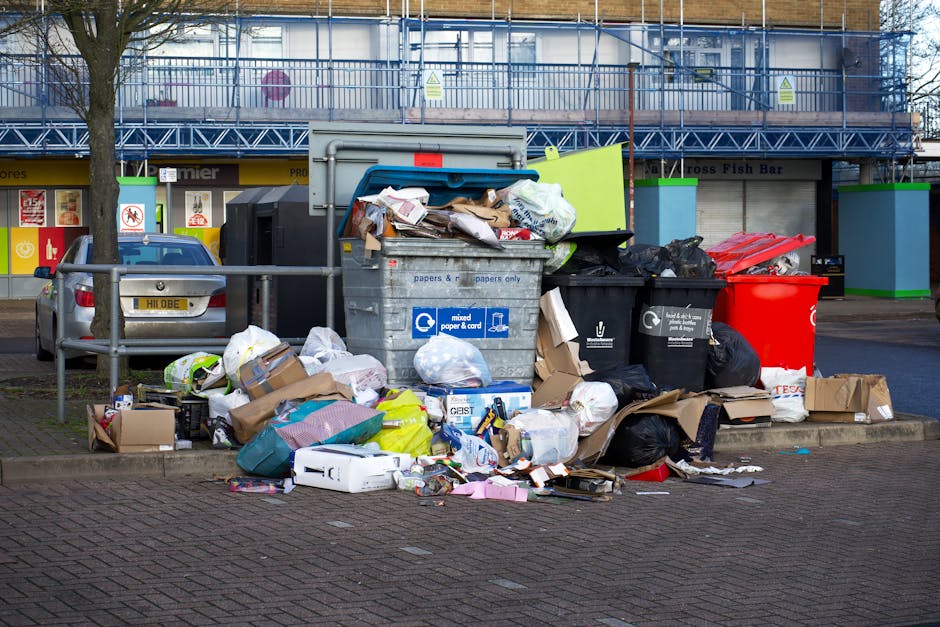
Willesden Lane bulky waste pickup times in Cricklewood: a practical guide for homeowners, tenants, and landlords
If you are trying to sort out Willesden Lane bulky waste pickup times in Cricklewood, chances are you are dealing with the sort of awkward items that do not fit neatly into a black sack: a broken wardrobe, an old mattress, a sofa that has seen better days, or a pile of flat-pack leftovers after a weekend of home improvement. The timing matters more than people expect. Miss the pickup window, and suddenly the whole job gets pushed back. Get it right, and the space clears fast, with far less stress.
This guide explains how bulky waste pickups in and around Willesden Lane and Cricklewood typically work, what affects collection timing, what to prepare in advance, and when it makes more sense to use a private clearance service instead. You will also find a checklist, a comparison table, and a few practical pointers that can save you time, money, and a fair bit of faff.
Why Willesden Lane bulky waste pickup times in Cricklewood Matters
Bulky waste collection is one of those services that seems simple until you are actually waiting for it. The collection time slot affects everything: when you need to move the item outside, whether you have to ask for help, how long your entrance stays clear, and whether neighbours will be bothered by items left on the pavement. In a busy part of northwest London, that timing is not just a small detail. It is the difference between an organised clear-out and a frustrating day of watching the clock.
For residents near Willesden Lane, timing matters even more because streets can be busy, parking can be tight, and shared access is common. If you live in a flat, above a shop, or in a converted house, the practical challenge is often not the item itself but getting it to the pickup point at the right moment. A missed slot can mean carrying a heavy item downstairs twice. Nobody wants that.
There is also the simple reality that bulky items can become clutter quickly. One old sofa in the hallway suddenly becomes the thing everyone keeps stepping around. A clear pickup plan helps you avoid that slow build-up. It also helps if you are coordinating around a move, a landlord inspection, end-of-tenancy cleaning, or a refurbishment. In other words, the timing is part of the whole operation, not just the end stage.
Practical takeaway: the best bulky waste pickup is usually the one you prepare for early, confirm clearly, and make easy to access on the day.
How Willesden Lane bulky waste pickup times in Cricklewood Works
Bulky waste pickup time is usually shaped by the service provider, the type and volume of waste, access conditions, and whether the collection is arranged through a local authority or a private clearance company. The exact process will vary, so it is wise to treat any appointment or collection window as a live plan rather than a rough guess.
In practice, bulky waste pickup often falls into one of these patterns:
- Set appointment window: you are given a specific time range or day, and the crew arrives within that period.
- Day-of collection: the item must be placed out in advance, and collection happens at some point during the working day.
- Pre-booked clearance slot: a private team agrees a time that suits access, load size, and any special handling needs.
The biggest variable is access. A sofa at the front door is one thing. A wardrobe on the third floor with a narrow staircase is another. Likewise, a front garden with easy access is simpler than a rear basement flat with no lift and limited parking. If there are gates, permit restrictions, shared entrances, or tight corners, expect the collection timing to matter more because the crew may need to work around what the street will allow.
You should also think about what happens just before the pickup. Most services expect the bulky waste to be ready to move, separated from general household rubbish, and not blocking safety routes. If you are using a private service, a good provider will usually ask for a description of the items beforehand so they can plan the right vehicle and crew size. That makes a big difference. A surprisingly big one, actually.
If you need broader clearance support rather than a single-item pickup, it may be more efficient to look at related services such as waste removal or furniture clearance when the load includes multiple bulky pieces.
Key Benefits and Practical Advantages
Getting the timing right is not only about convenience. It changes the whole tone of the job. A well-organised pickup saves time, reduces lifting, and helps prevent items from sitting around indoors or outside longer than necessary.
- Less disruption: you can plan around work, school runs, deliveries, or building access.
- Better safety: items are moved out in a controlled way instead of being dragged through cramped spaces at the last minute.
- Cleaner handover: useful for landlords, tenants, and sellers who need the property presentable quickly.
- More efficient loading: the right pickup time lets the crew work quickly, which is especially helpful on narrow streets.
- Lower stress: a clear schedule removes a lot of uncertainty.
There is another benefit people do not always mention: you can make better decisions about what to keep. Once you know the pickup is booked, you tend to sort more carefully. That box in the spare room? Maybe it can go. The half-dismantled chair? Probably not worth hanging on to. Timing has a strange way of focusing the mind.
Private clearance can also be useful when you need extra flexibility. For example, if you are clearing a flat in Cricklewood and there is no lift, a timed visit from a crew that handles heavy lifting can be easier than waiting for a public slot and hoping the item is in the right place.
Who This Is For and When It Makes Sense
This kind of pickup is useful for a lot of people, not just homeowners doing a deep clean. In our experience, the most common users are those who need a quick, practical solution for awkward waste that cannot simply go into normal household bins.
- Tenants clearing a room before moving out.
- Landlords dealing with left-behind furniture after a tenancy ends.
- Homeowners replacing large items after redecorating or renovating.
- Families making space in lofts, garages, and spare rooms.
- Small businesses needing to remove old office furniture or worn-out fixtures.
It makes sense when the item is bulky, awkward, or heavy, but still manageable as a single collection or small load. If you are clearing multiple areas, you may be better served by something broader such as house clearance, flat clearance, or office clearance, depending on the setting.
It is also worth saying that not every situation needs a rush. If you are just replacing a chair and can store the old one safely for a few days, you may have more flexibility. But if the item is blocking space, causing safety issues, or making a property hard to use, faster pickup times become much more valuable.
Step-by-Step Guidance
Here is a straightforward way to approach bulky waste pickup without overcomplicating it.
- List the items clearly. Write down what needs removing, including size, quantity, and whether anything is especially heavy or awkward.
- Check access. Think about stairs, lifts, parking, gates, and any tight corners. A crew can only plan properly if they know the route.
- Decide the pickup method. If it is a single item, a simple collection may be enough. For multiple items, a clearance service may be smarter.
- Prepare the area. Move smaller objects away, clear the path, and make sure the bulky waste is easy to reach.
- Confirm the time window. Do not assume the day alone is enough. Clarify the timing, arrival expectation, and whether you need to be present.
- Place items in the agreed spot. That could be the kerbside, front garden, ground-floor entrance, or another agreed location.
- Keep your phone on. If there is a delay or access issue, quick communication helps a lot.
A small tip here: if the collection is on a weekday and your street gets busy by mid-morning, aim to have everything ready earlier than you think. Ten minutes can matter. Sometimes twenty. The streets do not care that you are nearly finished unscrewing the last hinge.
If you are also comparing costs or booking options, it can help to review the provider's pricing and quotes information before you decide. A clear quote process usually makes the time arrangement easier as well.
Expert Tips for Better Results
A few small habits can make bulky waste pickup much smoother. None of them are glamorous. They just work.
- Measure awkward items. If it barely fit inside the room, it may need extra planning to get back out.
- Separate reusable items from waste. Not everything needs to be thrown away. If an item can be repurposed, deal with that first.
- Remove drawers, cushions, or loose parts. A sofa is easier to handle when it is not holding onto every removable bit it owns.
- Protect floors and corners. Especially in older properties or narrow hallways, a bit of preparation saves damage.
- Ask about loading help. Some teams handle lifting from inside, while others expect items to be ready outside. That detail matters.
One useful trick is to take a quick photo of the item or pile before booking. It helps avoid confusion and keeps expectations realistic. It also means you are less likely to understate the size, which happens all the time. "It's only a chair" has been the downfall of many a moving day.
If the load includes mixed materials, the provider may also care about recycling potential. Services with a clear recycling approach, such as recycling and sustainability, can be a sensible fit if you want waste handled responsibly rather than just removed quickly.
Common Mistakes to Avoid
The same avoidable mistakes come up again and again. Nothing dramatic, just the sort of things that cause delays.
- Leaving booking too late: especially before a move or renovation deadline.
- Guessing the access conditions: if there is a parking issue or narrow stairwell, say so early.
- Putting items out too early: this can create clutter, trip hazards, and sometimes neighbour complaints.
- Forgetting to separate hazardous items: some items need special handling and should not be treated as standard bulky waste.
- Assuming every provider works the same way: collection windows, lifting arrangements, and accepted items can all differ.
Another common slip is booking the pickup but not preparing the item. By the time the team arrives, you are still clearing the top shelf or hunting for screws. That is when a neat schedule turns into a rushed morning. Not ideal.
And yes, sometimes the item is bigger than you remember. Funny how that happens in the hallway light.
Tools, Resources and Recommendations
You do not need fancy equipment to organise bulky waste pickup, but a few basic tools make the job less painful.
- Tape measure: useful for checking whether large items can pass through doors or stairs.
- Gloves: a simple way to avoid splinters, sharp edges, and general grime.
- Phone camera: handy for recording item condition, access points, or a load list.
- Marker pen and tape: good for labelling what is going, what is staying, and what might be donated.
- Rubbish bags or boxes: ideal for small loose components, screws, and accessories.
For broader clearances, it may help to think in categories rather than individual items. For example, old desks and office chairs often belong in a commercial clearance job, while a pile of broken shelving could be part of a builders waste clearance or general clearance depending on the source. Likewise, garden furniture and outdoor clutter may fit better with garden clearance if the items came from outside storage or landscaping work.
If you are working through a property room by room, services such as garage clearance or loft clearance can be more efficient than trying to deal with each bulky item on its own.
Law, Compliance, Standards, or Best Practice
In the UK, bulky waste should be handled responsibly, and that starts with using a provider that is properly set up to collect, carry, and dispose of waste in line with accepted practice. You do not need to become a compliance expert yourself, but you should know enough to ask sensible questions.
Best practice usually includes:
- Clear item descriptions so the collection is suitable for the load.
- Safe lifting and handling to reduce injury risk and property damage.
- Proper disposal routes for items that cannot be reused.
- Attention to recycling where materials can be separated.
- Transparent pricing and service terms so there are no awkward surprises on the day.
If you are a landlord or business, you may have extra duties around duty of care and documentation. That does not mean every clear-out is complicated, but it does mean you should be more careful about who handles the waste and how it is removed. Choosing a provider with clear health and safety policy and insurance and safety information is a sensible bit of due diligence.
Also, if anything in the load could be hazardous, do not assume it belongs in a standard bulky collection. Ask first. Better to spend two minutes checking than to create a messy, expensive problem later.
Options, Methods, or Comparison Table
There are usually three practical ways to deal with bulky waste near Willesden Lane and Cricklewood: arrange a local authority-style collection if available, use a private bulky waste removal service, or combine the removal with a broader clearance. Each has a different feel.
| Option | Best for | Timing | Strengths | Trade-offs |
|---|---|---|---|---|
| Single bulky item pickup | One sofa, mattress, wardrobe, or similar item | Often simplest if access is straightforward | Quick, focused, easy to plan | Less suitable for multiple rooms or mixed waste |
| Private bulky waste clearance | Flexible timing and heavier or awkward loads | Can often be arranged around your schedule | More control, lifting support, better for tight access | May cost more than the most basic options |
| Full property clearance | Many items, end-of-tenancy, decluttering, or probate-related work | Usually requires a pre-booked visit | Best for larger jobs and mixed contents | More planning needed, less suitable for just one item |
If your job sits somewhere in the middle, it is worth comparing a simple waste pickup with home clearance or furniture disposal. The right choice depends less on the label and more on the real shape of the job: how much there is, how hard it is to move, and how quickly it needs to be gone.
Case Study or Real-World Example
Imagine a two-bedroom flat near Willesden Lane where the tenant is leaving at the end of the month. There is an old mattress, a broken desk, two dining chairs, and a small cabinet that will not fit in a car boot without a headache. The tenant works during the day, the stairwell is narrow, and street parking is limited until later in the morning.
The first attempt might be to leave everything to the last minute. That usually goes badly. Instead, the tenant measures the largest item, confirms the access route, and books a morning pickup window. The items are placed near the entrance the night before, but not too early, so they do not block the hallway. By the time the crew arrives, the job is straightforward. No scrambling. No lifting in panic. Just in and out.
That is the real value of getting timing right. The flat feels manageable again. The final clean becomes easier. The end-of-tenancy checklist stops feeling like a mountain. Simple, really. But only after the planning is done.
For larger properties or mixed contents, the same approach applies to house clearance and flat clearance, where access and timing can make or break the whole day.
Practical Checklist
Use this checklist before your pickup day. It keeps things calm.
- Confirm the pickup date and time window.
- Write down every bulky item to be removed.
- Check whether the item can fit through doors, stairs, or lifts.
- Clear a path from the item to the pickup point.
- Move breakables, pets, and children out of the way.
- Separate anything that is staying.
- Take a photo of the load if it helps with clarity.
- Keep your phone available on the day.
- Ask about lifting support if the item is heavy or awkward.
- Make sure access, parking, and entry codes are ready if needed.
Quick summary: if you can describe the load clearly, reach it easily, and keep the schedule realistic, the pickup usually goes much more smoothly.
Conclusion
Willesden Lane bulky waste pickup times in Cricklewood are really about one thing: making a messy job predictable. Once you understand the access, the type of waste, and the timing expectations, the whole process becomes far easier to manage. That applies whether you are clearing one item or sorting out a full room.
The best results usually come from simple preparation, clear communication, and choosing the right removal method for the scale of the job. If the pickup is straightforward, great. If the access is tight or the load is larger than expected, a more flexible clearance service can save you time and effort.
And honestly, there is a quiet relief in getting bulky waste out of the way. The room feels bigger. The place feels lighter. That is often what people want in the end, even if they start out just chasing a pickup slot.
Get a free quote today and see how much you can save.
Frequently Asked Questions
What time of day are bulky waste pickups usually collected in Cricklewood?
It depends on the provider and the booking type. Some collections use a specific time window, while others are completed at some point during the working day. The safest approach is to treat the booked slot as the actual operating window and have the item ready before then.
Can I leave bulky waste outside the night before pickup?
Only if the collection instructions clearly allow it. In many cases, leaving items out too early can create obstruction, weather damage, or complaints from neighbours. A same-day set-out is often the cleaner option unless you have been told otherwise.
What counts as bulky waste?
Bulky waste usually means large household items that are too big for normal bin collection, such as sofas, mattresses, wardrobes, tables, chairs, and similar pieces. Exact acceptance can vary, so check the item list before booking.
Is a sofa pickup different from a general bulky waste collection?
Sometimes, yes. A sofa may be treated as a specific item with its own handling requirements, while a mixed bulky waste job may involve several pieces and more labour. If you have more than one item, a broader clearance option may be better.
What if I live in a flat with no lift?
That is very common in London, and it is worth mentioning at booking stage. Stairs, narrow landings, and turning space can affect timing and crew size. The more accurate your access details, the smoother the pickup will be.
How do I know whether to book a pickup or a full clearance?
If you have one or two items, a pickup may be enough. If you are clearing several rooms, dealing with mixed contents, or working to a move-out deadline, a full clearance is usually more efficient. Think in terms of effort, not just item count.
Will the crew carry the item from inside my property?
That depends on the service and the access conditions. Some teams collect from inside, while others prefer the item to be placed in an agreed external location. Always confirm this before the day so there is no confusion.
Can bulky waste pickup times be arranged around work hours?
Often, yes, especially with private clearance services. If you need early morning, midday, or a tighter window, ask at the quoting stage. Flexible timing is one of the main advantages of a private provider.
What should I do with items that might be reusable?
If an item is still usable, consider donation, resale, or reuse before disposal. Not everything bulky is automatically waste. Sometimes a second life is possible, and that can reduce both cost and environmental impact.
Are there items that should not go in a bulky waste pickup?
Yes. Some hazardous or specialist items need separate handling and should not be assumed to belong in a standard bulky collection. If you are unsure about an item, ask before booking rather than risking rejection or delay.
How far in advance should I book a pickup?
As early as you reasonably can, especially if you are working to a deadline such as a move, renovation, or end-of-tenancy date. Popular slots can fill quickly, and leaving it late tends to make everything harder than it needs to be.
What is the main benefit of using a private clearance service?
The main benefit is flexibility. You can often arrange timing, access support, and the right crew size around your actual situation. That is especially useful for awkward properties, large items, or last-minute clearances.
Can bulky waste pickup be combined with other removal work?
Yes, and that is often the most efficient approach. If you have extra furniture, loft clutter, garage items, or office contents to remove at the same time, combining the job can save effort and reduce repeat visits.
If you are still deciding, take a minute to think about the route, the item size, and the time pressure. Those three things usually reveal the best option. And once they are clear, the rest tends to fall into place.